
One supplier sees a fitting. Your team sees sealing, threads, and assembly risk.
When ports, flats, wall sections, and finish are not discussed together, a low quote can hide the questions that matter most.
For engineers, buyers, and sourcing teams
Factory-direct custom metal manufacturing in China, from drawing review to repeat production. Send a 2D drawing, 3D file, sample photo, or sketch for an initial manufacturing review.
Need confidentiality? Request an NDA before sharing sensitive drawings. Standard hardware RFQs have an initial review target; complex projects may require focused follow-up.
The hidden cost
The wrong process route is often discovered after the quote, the sample, or the assembly. A useful first review brings those questions forward while the project can still change.
When ports, flats, wall sections, and finish are not discussed together, a low quote can hide the questions that matter most.
Sample approval, critical dimensions, finishing, and inspection expectations need to be aligned before repeat production begins.
Start with the information available now. KEC Tour can identify missing material, thread, finish, quantity, or inspection details during review.
The KEC Tour route
The goal is not a generic catalogue estimate. It is a practical manufacturing route that your engineering and procurement teams can evaluate.
Upload a drawing, model, sample photo, or sketch with the application context you know.
Confirm material, thread standard, tolerance, finish, quantity, target timing, and documentation.
Resolve process, tooling, workholding, finishing, inspection, and packing questions before release.
Approve a sample or first article, then carry the agreed requirements into repeat production.
Inside the operation
See machining, in-process inspection and finished-part handling before submitting your project.
Part families
If your part does not fit one of these categories, send the drawing anyway. Each RFQ is reviewed against its actual application.
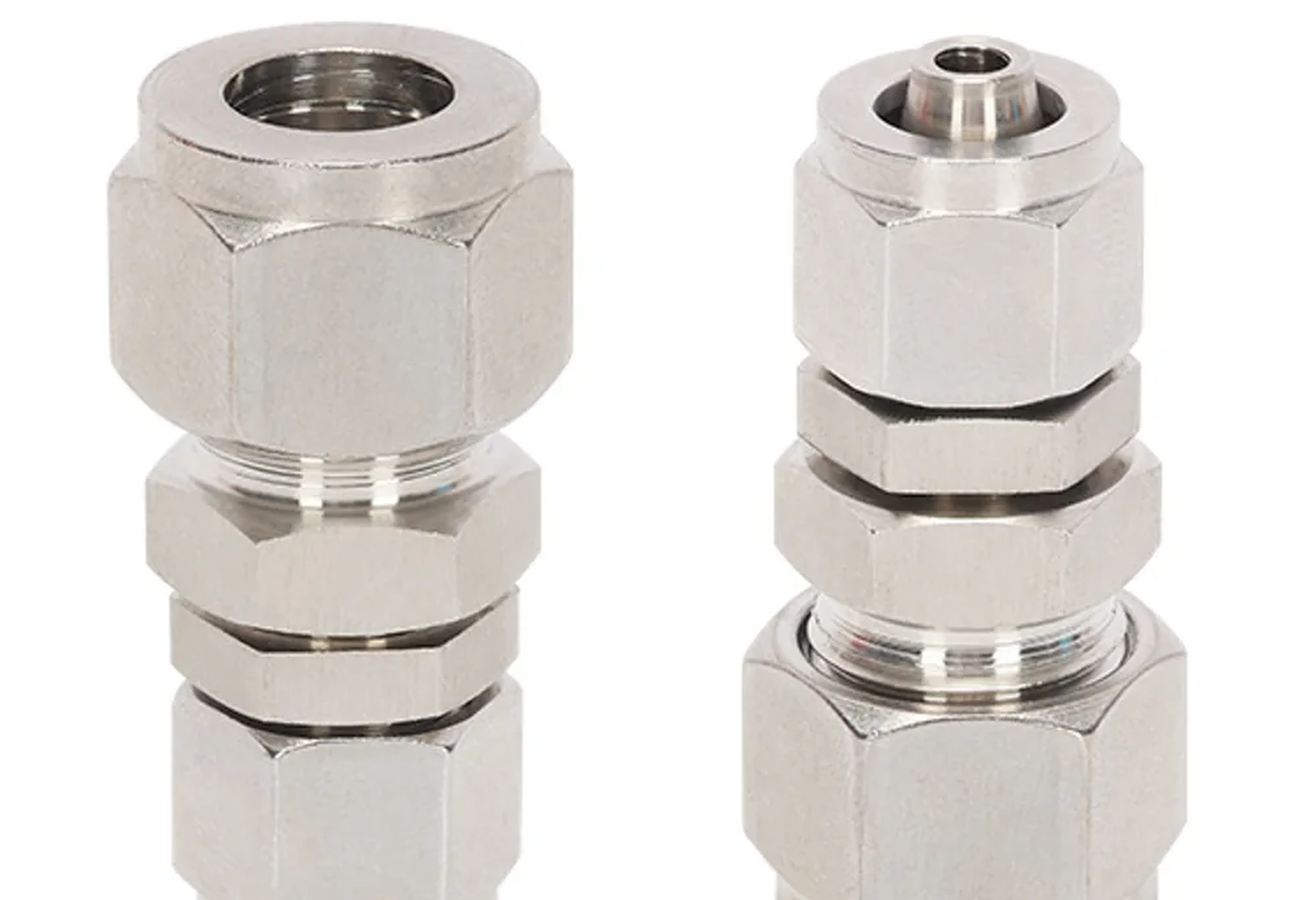
Ports, threads, sealing faces, wrench flats, and drawing-defined finishes.
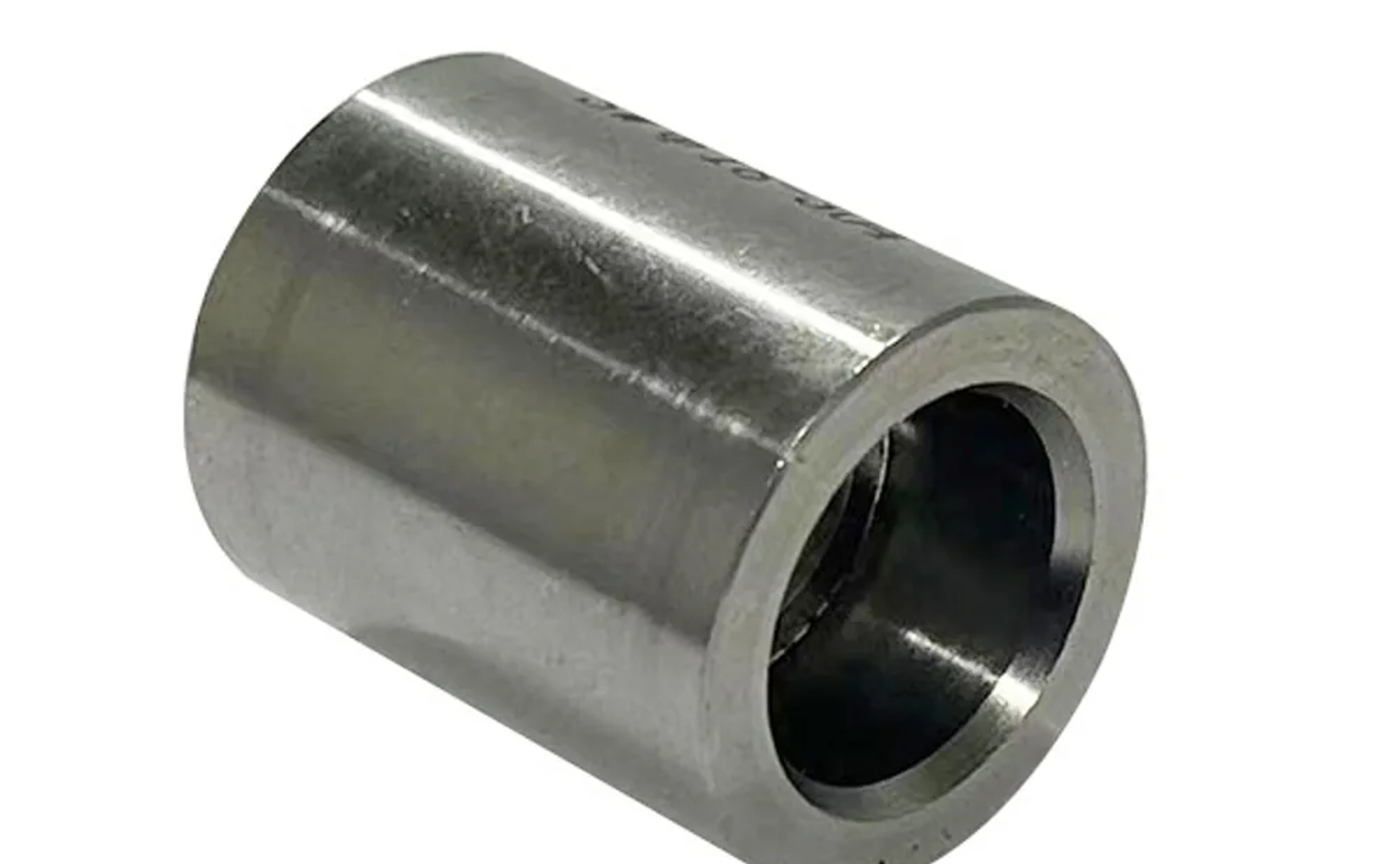
Turned inserts and weld-through hardware produced from the required interface.
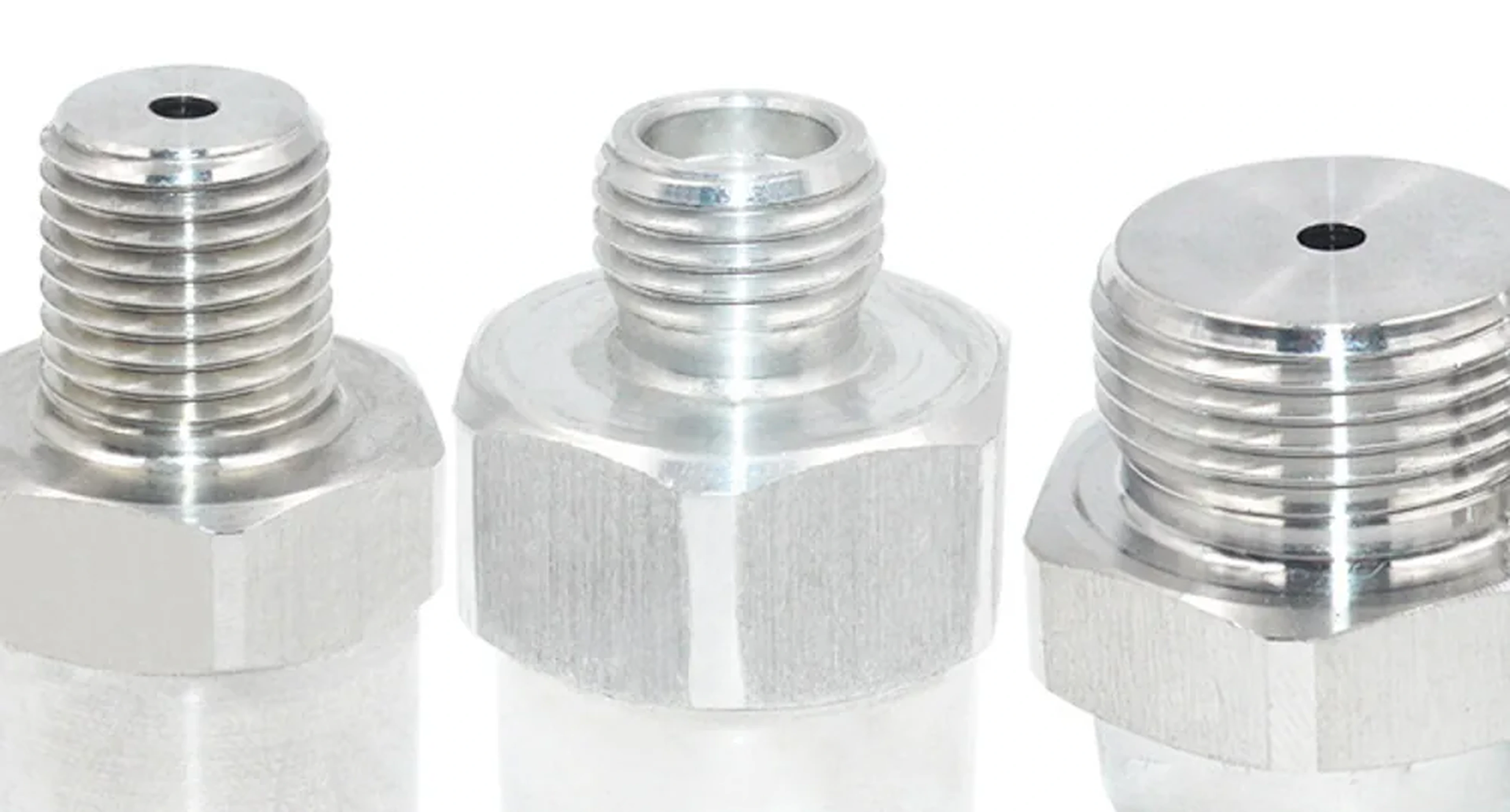
Machined bodies with ports, threads, sealing features, and finish requirements.
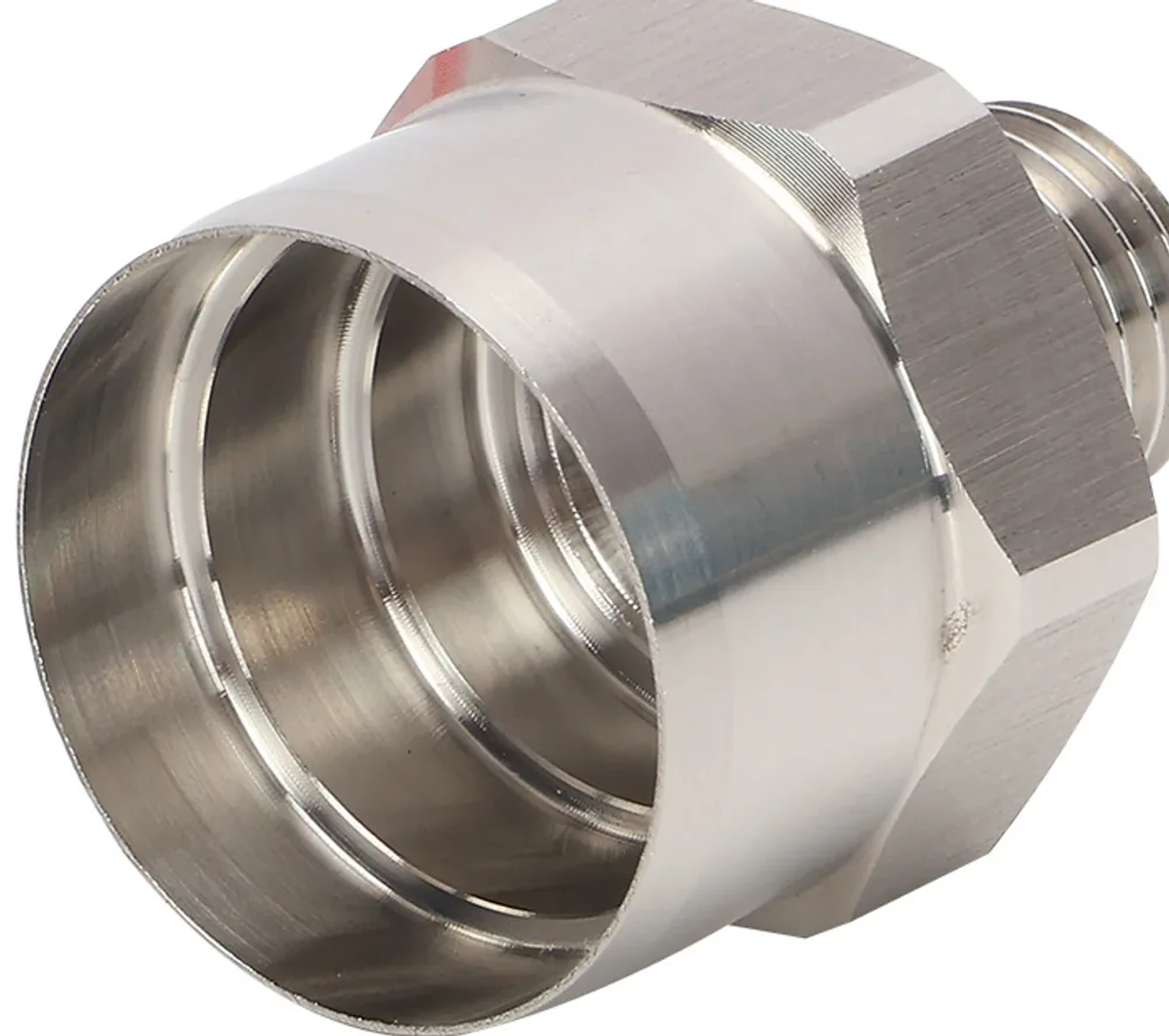
Round parts with shoulders, grooves, flats, holes, and drawing-specific threads.
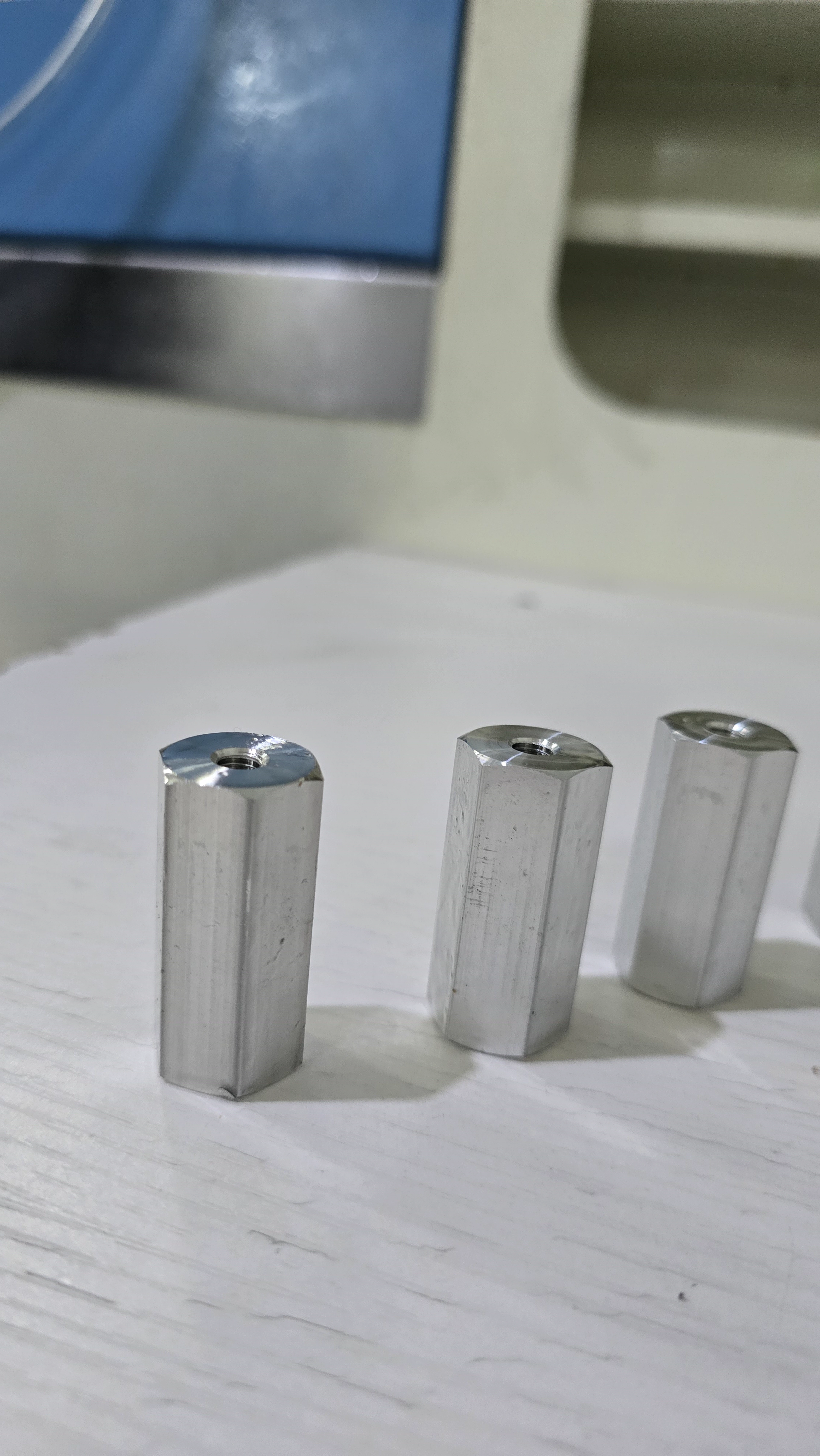
Photos or a physical-part reference can start the conversation while the definition is being completed.
Evidence matched to the project
Material, tolerance, finish, and inspection requirements should be discussed before production assumptions enter the quotation.
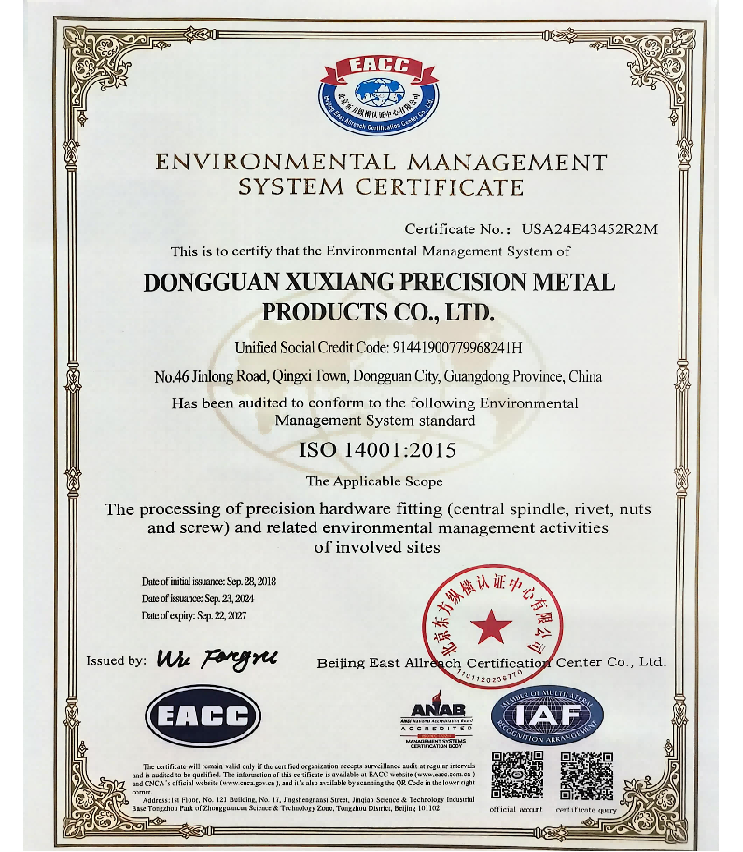
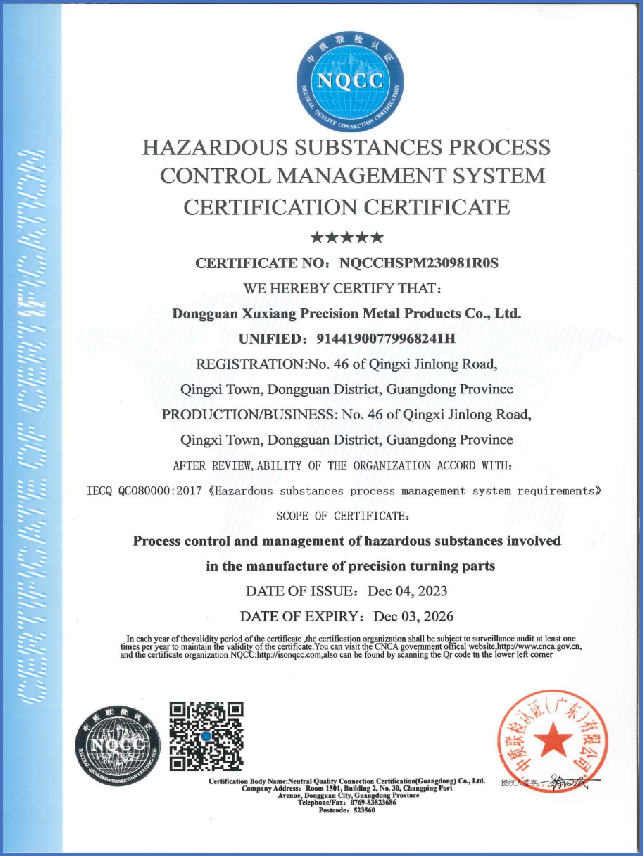
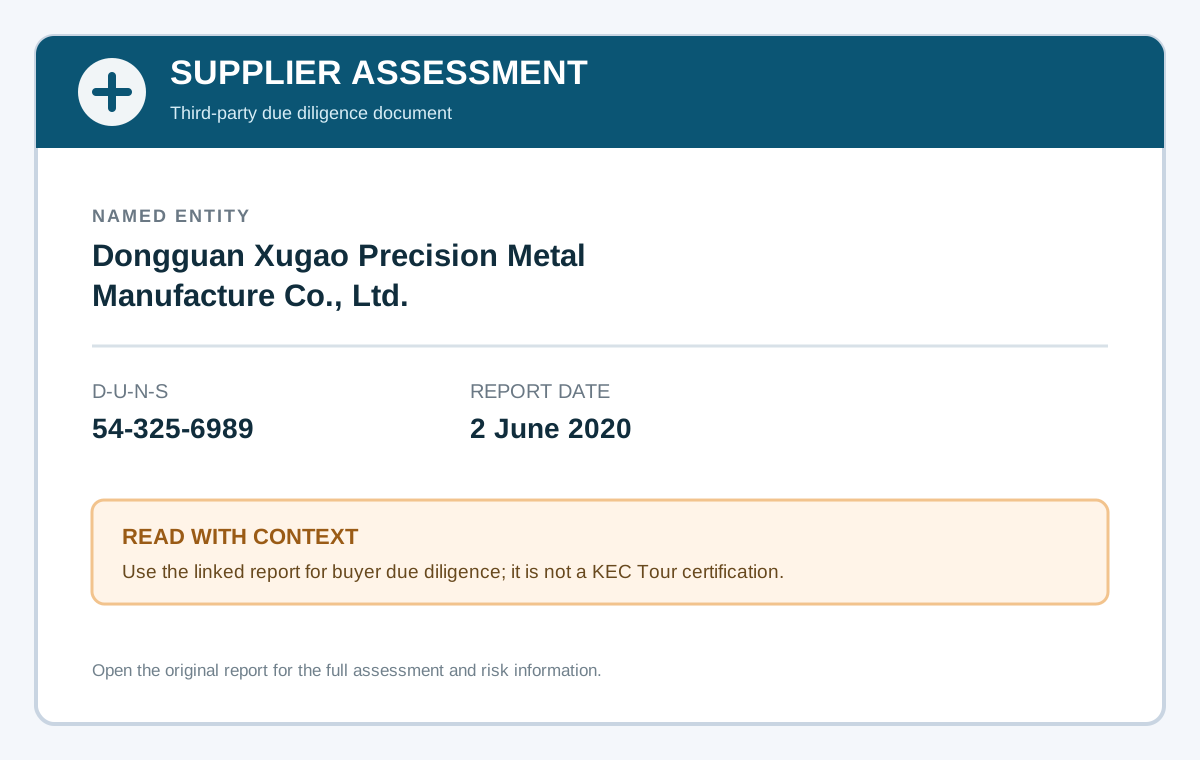
Supplier-assessment documents
These documents are shown for buyer due diligence. They are issued to the named manufacturing entities below; confirm corporate relationship, production site, and project applicability with KEC Tour before relying on them for a purchase decision.
Start with what you have
Share the project context, attach a drawing or sample photo if available, and tell us what the finished part must do.
Engineering FAQ
The most useful starting package includes a drawing or model, material, quantity, finish, and the dimensions that matter to the application.
Send a sample photo, sketch, existing physical sample details, or the files you have. The review can identify the missing material, thread, finish, or tolerance information.
KEC Tour commonly discusses stainless steel, brass, aluminum, carbon steel, copper, sheet metal, and die-cast blanks, with polishing, passivation, plating, blackening, marking, and packing requirements confirmed per project.
Yes. Share the prototype quantity, expected follow-on volume, target timing, and inspection requirements so the proposed route reflects the real program.
Yes. Ask for NDA handling before sharing sensitive drawings or project details. Do not submit controlled or restricted technical data through this general form.
The manufacturing team reviews the available geometry and project requirements, then responds with focused questions, a proposed route, or quotation guidance. Complex projects may require follow-up before a final proposal.