Turned parts
Diameters, bores, shoulders, threads, grooves, sealing faces, sleeves, bushings, and adapters.
Watch selected KEC Tour inspection and engineering areas live. Then send your 2D drawing, 3D file, sample photo, material, tolerance, finish, and quantity for a direct manufacturing review.
Initial review target: within one business day for standard drawing packages. Complex tolerances, finishes, or multi-process parts may require follow-up questions.
Send the closest available drawing, CAD file, sample photograph, or technical description. We review the proposed manufacturing route before quotation.
Diameters, bores, shoulders, threads, grooves, sealing faces, sleeves, bushings, and adapters.
304/316 fittings, threaded bodies, housings, ferrules, connectors, and non-standard interfaces.
Threaded sleeves, collars, weld-through components, spacers, and drawing-specific small hardware.
Brackets, covers, panels, bends, inserts, welds, stamping samples, and small assemblies.
Aluminum or zinc blanks with post-machining, dimensional review, and finishing requirements.
Polishing, passivation, plating, marking, critical dimensions, first-article evidence, and packing.
Use these representative examples to identify the closest part family. Final material, dimensions, threads, finish, quantity, and inspection requirements are reviewed from your drawing.
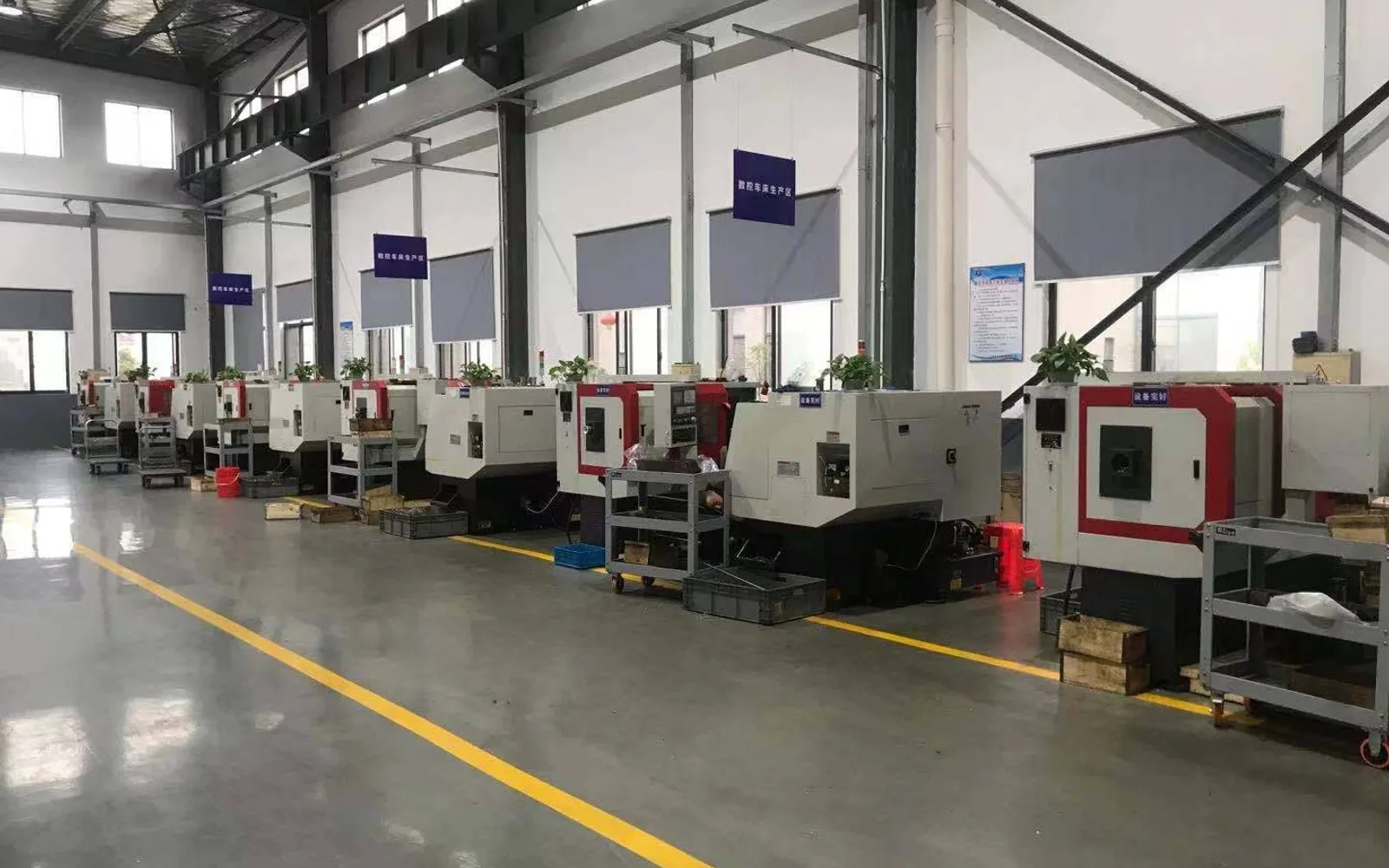
Equipment and environment context from the KEC Tour manufacturing network. Use the live cameras above for the current selected-area view.
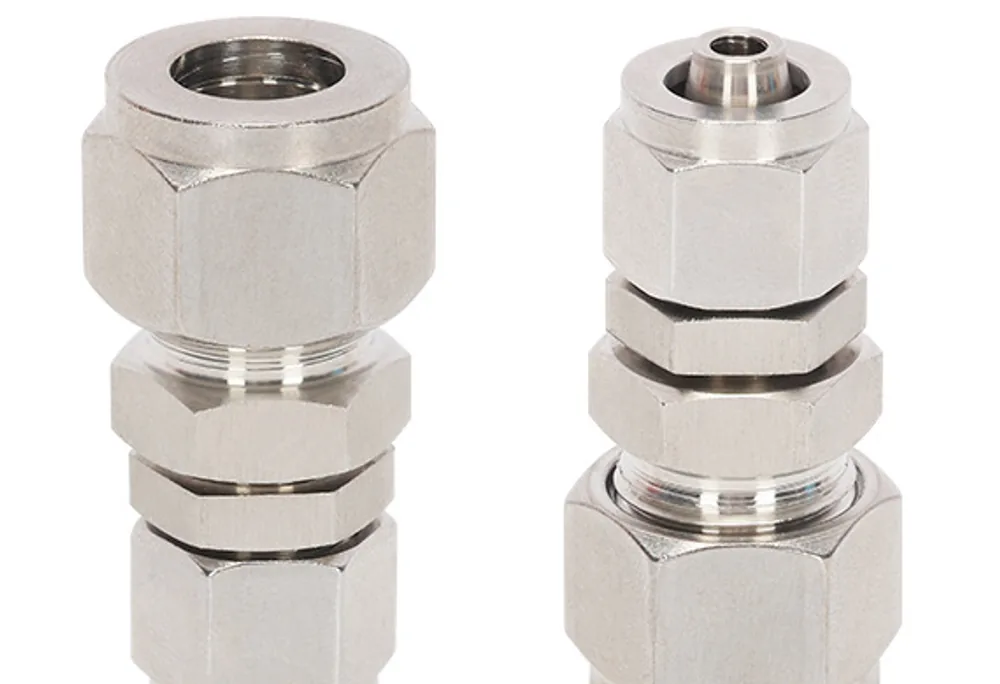
Custom interfaces where thread form, sealing geometry, material grade, and surface condition matter.
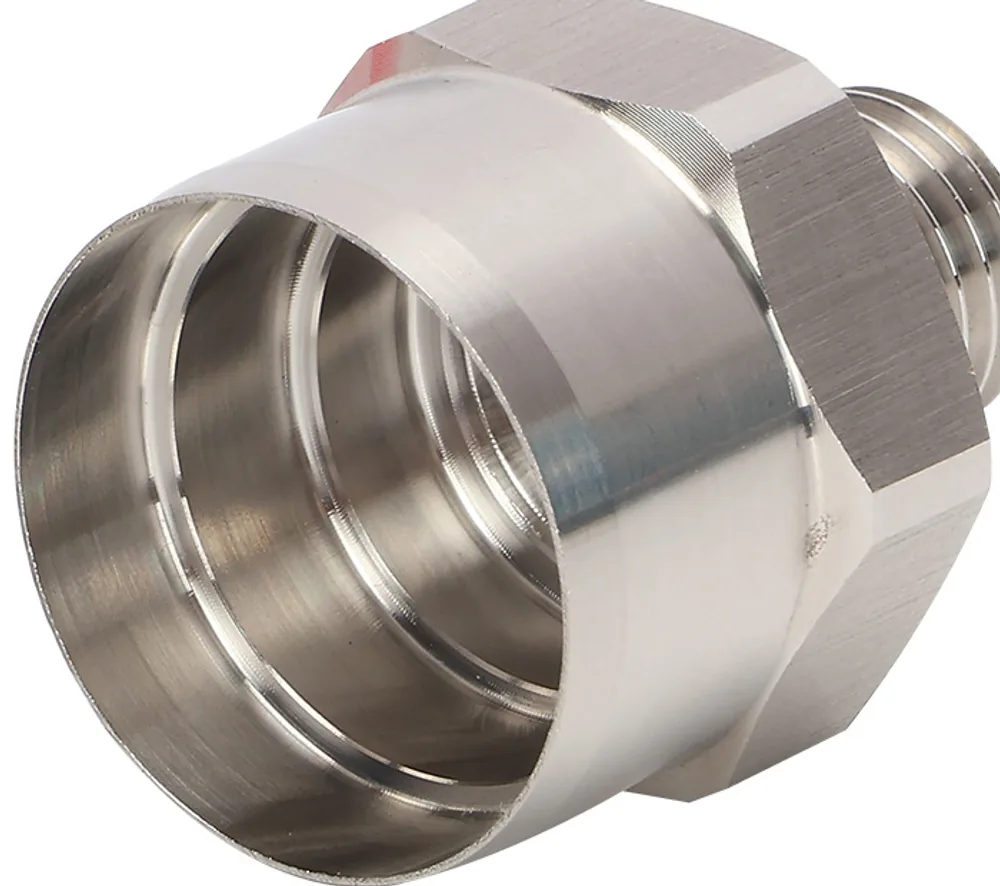
Drawing-specific bores, shoulders, grooves, external features, and machined mating surfaces.
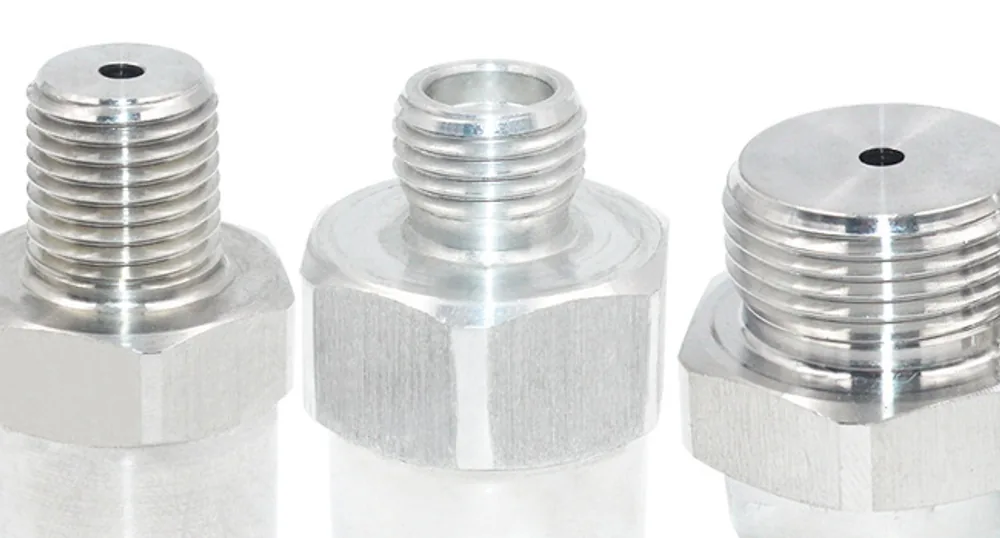
Turned bodies and interfaces requiring alignment of dimensions, threads, inspection, and batch needs.
Have a different part? A drawing, CAD file, sample photo, or technical description is enough to begin the review.
Send Your Part for ReviewA polished supplier website is easy to create. A reliable manufacturing relationship needs evidence that connects the company, process route, inspection plan, and your actual drawing.
The website may not show whether you are speaking with the actual manufacturer or an intermediary.
Inspection language may not explain how your critical dimensions, threads, finish, or acceptance criteria will be checked.
Material grade, tolerance, surface finish, packing, and quantity details can change the manufacturing route and price.
A camera cannot prove drawing-specific capability, sample approval, traceability, or conformance for your order.
Our approach: use the selected live view as a first verification layer, then connect it to drawing review, sample evidence, an agreed inspection plan, and project-specific production requirements.
Choose and play cameras in the opening section. These notes explain the intended context without loading a second video player.
Use this selected view to observe checking, sorting, and release activity when the local shift is active.
A second perspective on inspection-area activity. The player reports the actual connection state.
A coordination-area view that may be restricted or unavailable to protect people, screens, and customer information.
A thoughtful procurement page should not exaggerate what video proves. It gives buyers a real-time first look and a direct path to deeper verification.
Open a selected public camera and check the normal working environment.
Book a guided walkthrough and ask process-specific questions.
Send drawings, align inspection criteria, and review a sample or first article.
Arrange an on-site or third-party review when project risk requires it.
Send the best information you have. A drawing is ideal, but a CAD file, sample photo, or technical description can start the conversation.
Clear expectations make live access more credible and useful.
The selected live window may be accessible at any time, but production activity follows Dongguan local schedules. Quiet periods can reflect breaks, shift changes, holidays, maintenance, or work outside the camera view.
Camera selection should protect customer drawings, computer screens, personal data, employee privacy, confidential projects, and safety-sensitive areas.
Tell the team what process or evidence you need to verify. Access depends on safety, confidentiality, operations, and whether the requested process is active.
No. Tolerance capability must be reviewed against your drawing, process route, inspection method, sample results, and agreed acceptance criteria.
Provide a 2D drawing, 3D model if available, material, thread, critical tolerances, finish, quantity, application, inspection needs, and target schedule.