
CNC-Machined Pressure Transmitter Housings: Design and RFQ Guide
A pressure transmitter housing RFQ should identify the wetted material, pressure interface, sealing geometry, datum scheme, cable or connector interface, finish and required inspection evidence.
 Zaid ArshadManufacturing Content Author · KEC Tour
Housing buyers need to connect mechanical details to sealing, sensor alignment and downstream assembly. The useful outcome is a controlled specification that lets engineering, purchasing, manufacturing and quality make the same decision.
Decision table
| Control point | Define in the RFQ | Risk if omitted |
|---|---|---|
| Pressure interface | Port standard and sealing mechanism | A thread can pass a basic check but fail in assembly |
| Sensor seat | Datum, depth, flatness and surface condition | Sensor position or preload changes |
| Wall and transitions | Minimum wall, corner radius and cross-hole relation | Machining leaves weakness or burr traps |
| External interface | Connector, wrench flats, markings and finish | Assembly access or identification fails |
Build the datum system around function
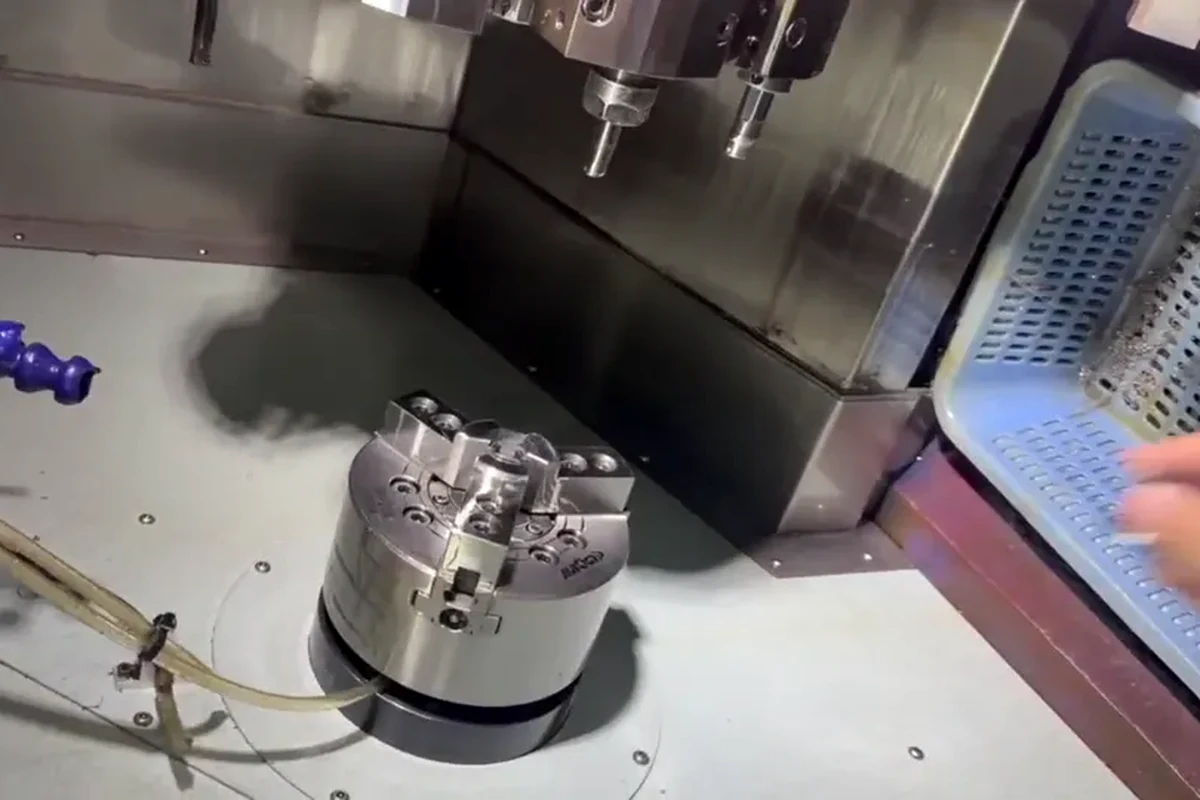
Choose datums that represent how the housing seats and aligns in the final assembly. Dimension the pressure port, sensor seat and connector interface from those datums rather than chaining many local dimensions.
Buyer action: Add the related requirement, acceptance method and responsible party to the RFQ or drawing clarification log. Do not leave it as an unwritten assumption.
Control internal intersections
Deep bores and intersecting passages complicate tool access, chip evacuation and deburring. Provide section views and explicitly mark fluid passages that must be clean and free of loose burrs.
Buyer action: Add the related requirement, acceptance method and responsible party to the RFQ or drawing clarification log. Do not leave it as an unwritten assumption.
Define material and finish as a system
Specify the exact stainless or aluminum grade and condition, then identify passivation, anodizing or other finish separately. Confirm whether dimensions and threads are accepted before or after finishing.
Buyer action: Add the related requirement, acceptance method and responsible party to the RFQ or drawing clarification log. Do not leave it as an unwritten assumption.
Make inspection evidence proportional to risk
A first-article report should cover functional characteristics, not every easy dimension while ignoring the pressure interface. Add material evidence and a defined functional test only when the application requires it.
Buyer action: Add the related requirement, acceptance method and responsible party to the RFQ or drawing clarification log. Do not leave it as an unwritten assumption.
How to compare supplier responses
Do not score a supplier by how quickly it returns a price. Score the response by how many technical and commercial assumptions it closes. A strong quotation identifies the released inputs, exclusions, substitutions, one-time charges, recurring price and first-shipment evidence.
Use the same comparison sheet for every bidder: price basis, quantity, material, route, finish, inspection, documentation, packaging, delivery term, lead-time start and quotation validity. Resolve scope differences before negotiating price.
Pressure interface: ask for objective evidence
The quotation should state port standard and sealing mechanism. If it does not, ask how the supplier will prevent a thread can pass a basic check but fail in assembly, which document records acceptance, and what happens when the result is outside the requirement. A useful answer names the process owner, inspection or review method, frequency and record—not only a quality promise.
Sensor seat: ask for objective evidence
The quotation should state datum, depth, flatness and surface condition. If it does not, ask how the supplier will prevent sensor position or preload changes, which document records acceptance, and what happens when the result is outside the requirement. A useful answer names the process owner, inspection or review method, frequency and record—not only a quality promise.
Wall and transitions: ask for objective evidence
The quotation should state minimum wall, corner radius and cross-hole relation. If it does not, ask how the supplier will prevent machining leaves weakness or burr traps, which document records acceptance, and what happens when the result is outside the requirement. A useful answer names the process owner, inspection or review method, frequency and record—not only a quality promise.
External interface: ask for objective evidence
The quotation should state connector, wrench flats, markings and finish. If it does not, ask how the supplier will prevent assembly access or identification fails, which document records acceptance, and what happens when the result is outside the requirement. A useful answer names the process owner, inspection or review method, frequency and record—not only a quality promise.
RFQ checklist
- Controlled part number, drawing revision, units and 3D model
- Exact material grade/condition and certificate requirement
- Critical dimensions, threads, sealing faces and datums
- Surface treatment and post-finish acceptance
- Prototype/batch quantities, destination and delivery term
- Inspection, test, traceability and reporting
- Packaging and repeat-order expectations
Practical buyer scenario
A buyer receives two quotes for the same nominal part. One is cheaper but lists only material and unit price. The second states the drawing revision, manufacturing route, treatment, critical inspection, sample approval and delivery basis. Normalize scope, close technical questions and compare cost per accepted part—not a headline price built on missing assumptions.
Frequently asked questions
Is 304 or 316 stainless better for every housing?
Neither is universally better. Select using media, environment, strength, corrosion and regulatory requirements; name the exact grade on the drawing.
Can a supplier design the pressure rating?
The buyer or qualified design authority should define and validate application requirements. A machining supplier can provide DFM feedback but should not silently assume design responsibility.
What files speed quotation?
A STEP model, controlled 2D drawing, port standard, material, finish, quantities and inspection/test requirements.
Should all internal surfaces be tightly finished?
Only specify texture where it affects sealing, flow, cleaning or sensor function. Unnecessary requirements increase time and cost.
Sources and standards references
- KEC Tour — custom metal parts and non-standard hardware
- ASME Y14.5 — Dimensioning and Tolerancing
- ISO 286-1 — ISO code system for tolerances on linear sizes
- ISO 14253-1 — Decision rules for verifying conformity
Engineering note: confirm the standard edition, customer specification and regulatory obligations for the actual part. KEC Tour provides manufacturing and DFM input; the buyer retains product-design and application-validation responsibility.
Related engineering guides
Have a custom metal part to manufacture?
Send the controlled drawing, sample or photo plus material, quantity, finish and inspection needs.

Zaid Arshad
Manufacturing Content Author · KEC TourZaid Arshad writes practical manufacturing guides for engineers and sourcing teams evaluating custom fittings, CNC-turned parts, sheet-metal components, stampings and die-cast parts. His articles focus on clearer RFQs, supplier evidence, inspection planning and drawing-to-production decisions.
View author profileRelated engineering guides

Metal Stamping Tooling Cost and Break-Even Volume
A stamping quote should separate tooling investment from piece price and show the assumptions behind tool life, material yield, press rate, secondary operations, maintenance and forecast volume.
Read article
Progressive Die vs Single-Stage Stamping: Which Process Fits Your Volume?
Progressive dies favor repeatable high-volume parts with stable geometry; single-stage or compound routes reduce tooling commitment for lower volume, large parts or evolving designs.
Read article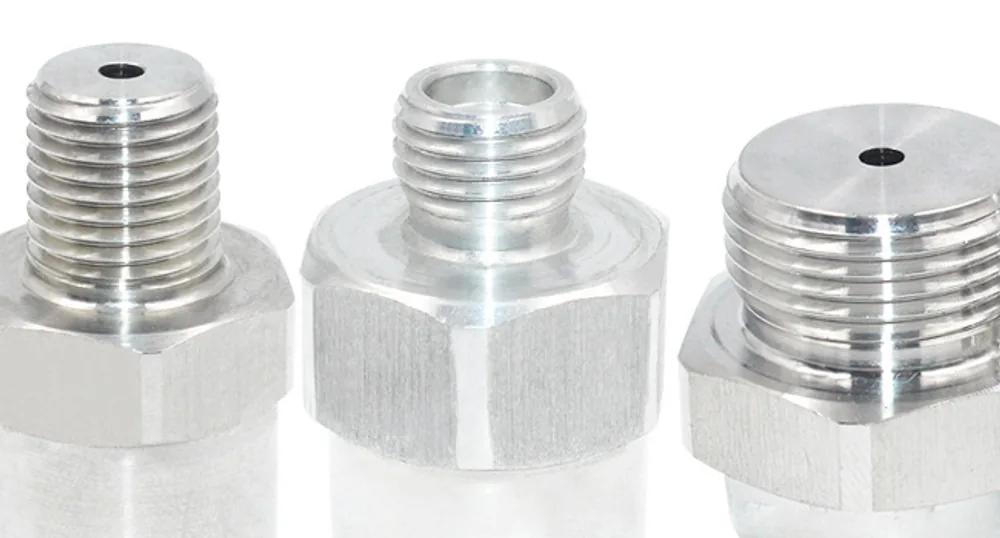
How to choose stainless steel grades for non-standard fittings
A practical guide for balancing corrosion resistance, machining stability, pressure use, surface finish, and cost.
Read articleTurn your requirements into a production-ready RFQ.
Share your CAD file, material, critical dimensions, finish and target volume. KEC Tour will review the process route before quoting.