
Electropolishing or Passivation for Stainless Parts: Define the Goal
Distinguish chemical passivation from electropolishing and account for appearance, geometry and final verification.
 Zaid ArshadManufacturing Content Author · KEC Tour
Separate the two process objectives
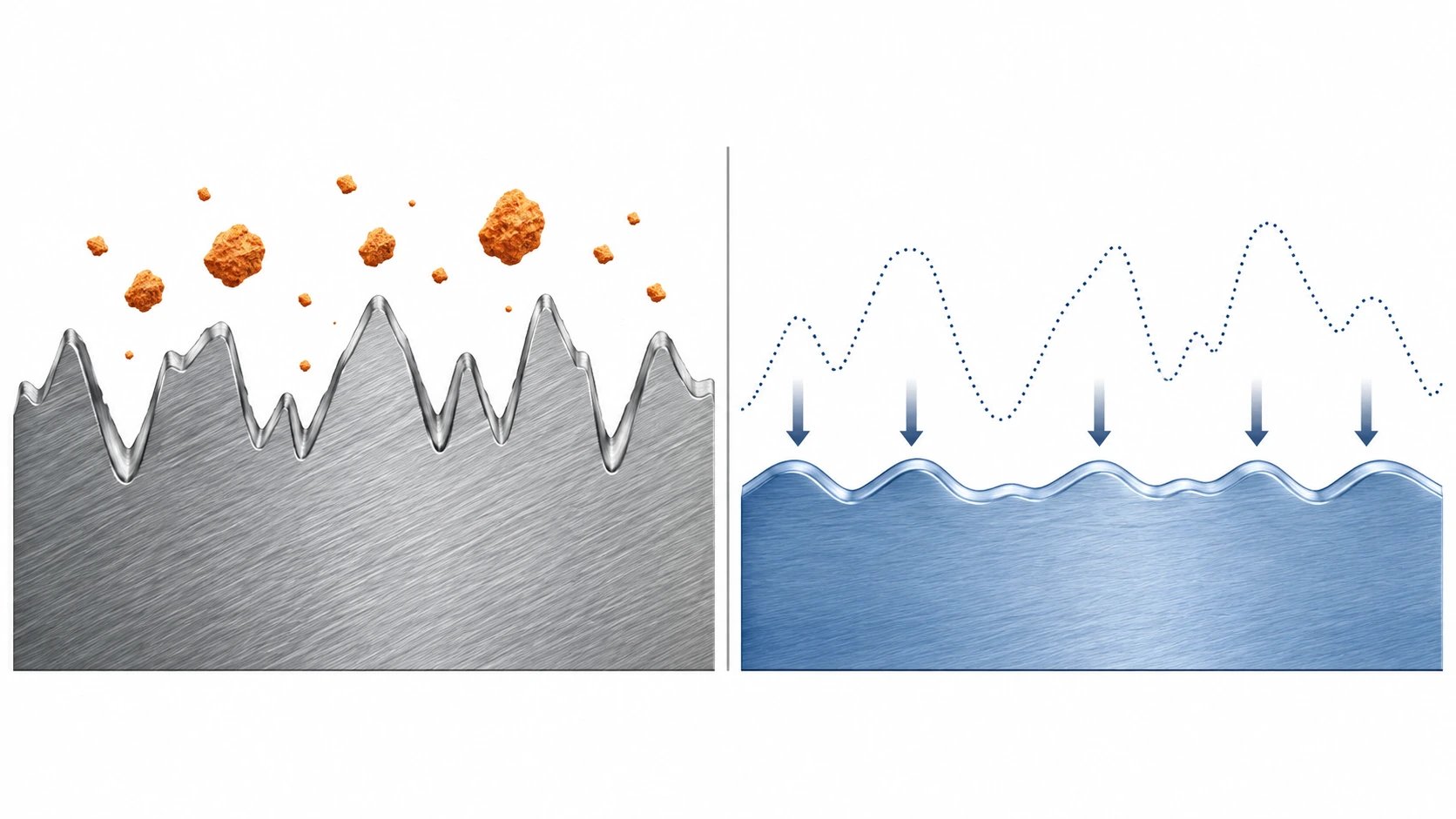
Chemical passivation treats the stainless surface to support a suitable passive condition and remove specified contamination under a controlled process. Electropolishing is an electrochemical material-removal process that can change surface texture and appearance. They are not interchangeable names for a shiny finish. State the functional goal, such as contamination control, surface condition or cleanability, before selecting the treatment route.
Reference the appropriate specification
Use the applicable current specification and an agreed processor route for the actual alloy and product. ASTM A967/A967M addresses chemical passivation treatments; ASTM B912 addresses passivation using electropolishing. Include any required verification tests and reporting. A general note saying “passivate” leaves open important questions about treatment selection, final condition and the evidence expected with the supplied parts.
Review the dimensional effect
Electropolishing removes material, and its effect depends on geometry and processing conditions. Discuss critical threads, sealing lands, edges and thin features with the processor. Plan any allowance and final inspection around the approved route. Do not assume removal is uniform everywhere or that an attractive exterior surface proves a recessed internal feature received the same treatment.
Define visual and functional acceptance separately
A bright surface can still fail a dimensional or contamination requirement. Agree an appearance reference where cosmetics matter, but retain separate functional checks. Surface-texture improvement depends partly on the starting condition, so deep machining defects may remain or require a different upstream process. Record the condition of representative samples rather than promising that electropolishing will erase every scratch or tool mark.
Control handling after treatment
Rinsing, drying and subsequent handling can affect the supplied condition. Define cleanliness and protection appropriate to the end use, including controls against recontamination by incompatible tooling or storage. Inspect critical features after the last process that can change them. If the part is later welded, machined or repaired, review whether the approved surface-treatment sequence must be repeated or modified.
Approval checklist and evidence
| Review item | Decision to make | Evidence to retain |
|---|---|---|
| Objective | State contamination, texture or appearance requirements separately. | Approved treatment goal and processor specification. |
| Allowance | Assess material removal at critical finished features. | Validated route and final dimensional inspection. |
| Acceptance | Keep cosmetic samples separate from functional requirements. | Surface condition, tests and dimensional evidence. |
| Handling | Protect the accepted surface from later contamination. | Controlled rinsing, drying and final protection requirements. |
Worked review example
Illustrative scenario: a stainless connector is switched from chemical passivation to electropolishing to obtain a brighter appearance. Its thread had already been machined near an acceptance limit. The change therefore needs a dimensional review and final thread verification, not just a cosmetic sample approval. The correct allowance is established with the processor and validated on the actual geometry rather than assumed from a general removal estimate.
Information for the engineering review
- Functional treatment objective
- Applicable specification and tests
- Critical geometry and allowance
- Separate cosmetic acceptance
- Final cleaning and handling controls
Discuss this requirement with KEC Tour using the controlled drawing, the relevant mating interfaces and the review information above. Identify the decision that needs confirmation and the acceptance evidence expected with the first parts.
Sources and further reading
Frequently asked questions
Does passivation create a thick protective coating?
Chemical passivation is not specified as a conventional thick deposited coating.
Can electropolishing replace all machining finish control?
No. The starting surface and final dimensional requirements still matter.

Zaid Arshad
Manufacturing Content Author · KEC TourZaid Arshad writes practical manufacturing guides for engineers and sourcing teams evaluating custom fittings, CNC-turned parts, sheet-metal components, stampings and die-cast parts. His articles focus on clearer RFQs, supplier evidence, inspection planning and drawing-to-production decisions.
View author profileRelated engineering guides

Engineering Changes for Custom Metal Assemblies: Control the Cutover
Link revised drawings, purchased parts, work in progress and inspection so a design change reaches the correct production units.
Read article
Burr Direction on Stamped Parts: Put the Functional Edge on the Drawing
Specify the acceptable edge condition and orientation where stamped parts contact seals, wires, hands or mating surfaces.
Read article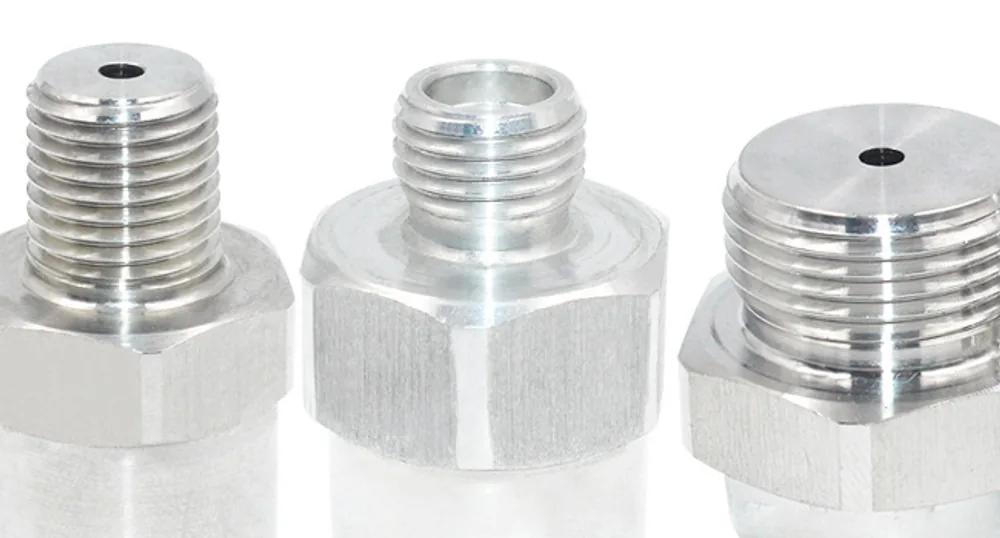
How to choose stainless steel grades for non-standard fittings
A practical guide for balancing corrosion resistance, machining stability, pressure use, surface finish, and cost.
Read articleTurn your requirements into a production-ready RFQ.
Share your CAD file, material, critical dimensions, finish and target volume. KEC Tour will review the process route before quoting.