
Engineering Changes for Custom Metal Assemblies: Control the Cutover
Link revised drawings, purchased parts, work in progress and inspection so a design change reaches the correct production units.
 Zaid ArshadManufacturing Content Author · KEC Tour
Define the change in functional terms
State what changes, why it changes and which parts or assemblies are affected. Identify the drawing, model and bill-of-material revisions together. A revised hole or finish can affect a mating component even when that component’s geometry remains unchanged. Review the assembly relationship before sending a new file, and distinguish the proposed design from the approved release.
Assess existing material and work
Count finished stock, work in progress, purchased components and material already committed to the old revision. Decide whether each can be used, reworked, segregated or rejected under an authorized disposition. Do not leave the supplier to infer this from a revised drawing date. The disposition should include quantities and identity so the cutover can be verified against actual inventory.
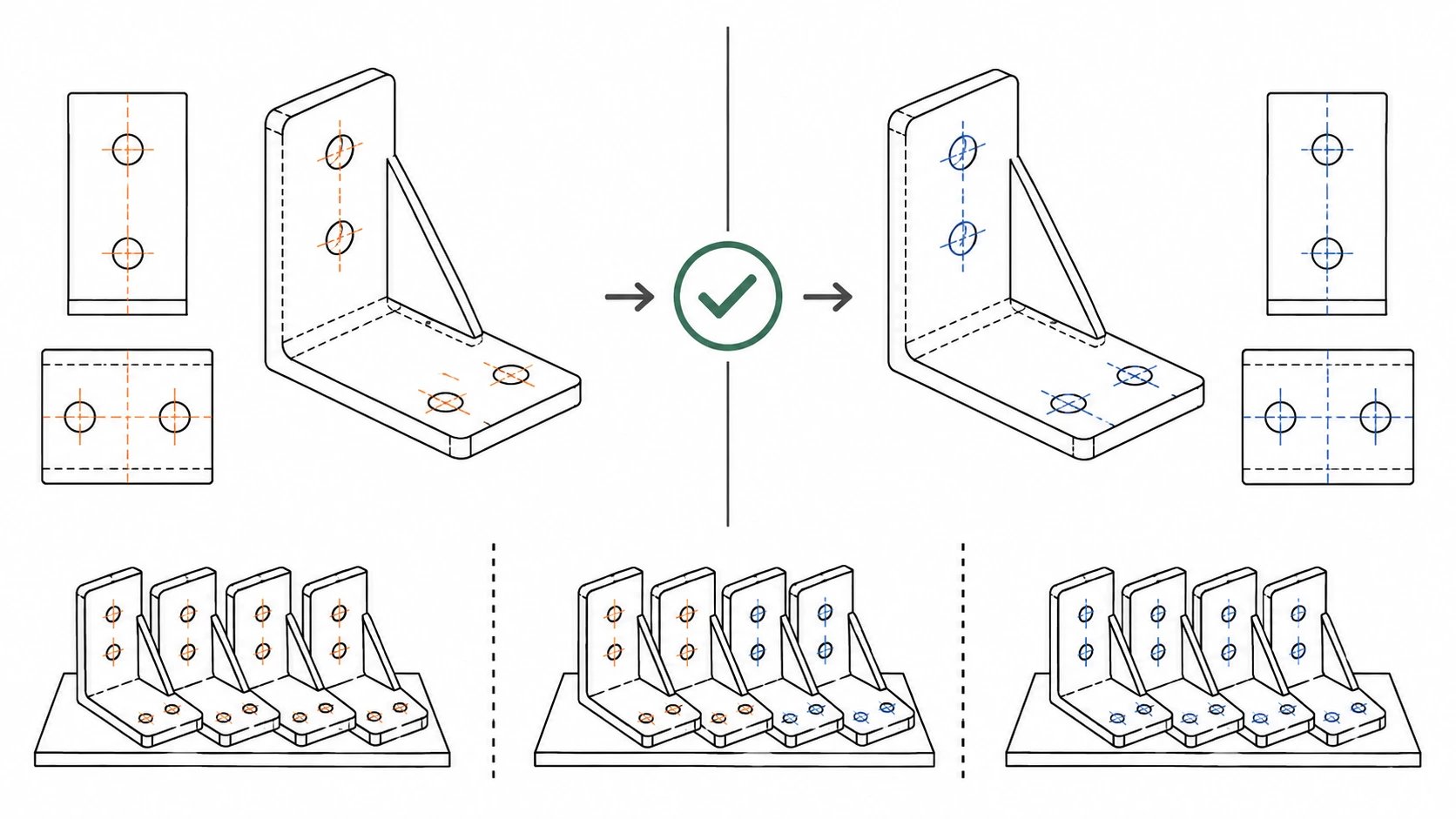
Set an unambiguous effectivity rule
Define when the change takes effect using the appropriate purchase order, lot, serial number or other controlled reference. A calendar date alone may be unclear when several lots move through production at different stages. Record whether mixed revisions are permitted within an assembly or shipment. If interchangeability is limited, identify the allowed combinations in the relevant assembly and inspection documents.
Update the manufacturing evidence
Review programs, fixtures, gauges, work instructions and inspection reports affected by the change. Determine whether a new first article or focused requalification is needed. A changed drawing can require process changes even when the external appearance remains similar. Keep the old approved records available for traceability while preventing them from being mistaken for the active production instruction.
Verify the first shipment after cutover
Identify the first lot produced under the new revision and check its documentation, labeling and functional evidence. Reconcile the remaining old-revision stock against its authorized disposition. Close the change only after the relevant supplier and internal records agree. If an issue appears later, the organization should be able to identify which units received each revision without reconstructing the decision from email attachments.
Approval checklist and evidence
| Review item | Decision to make | Evidence to retain |
|---|---|---|
| Scope | Identify every affected drawing and mating component. | Approved revision set and functional change description. |
| Inventory | Decide the disposition of existing material and work. | Quantities and identities tied to authorized actions. |
| Effectivity | Use a clear lot, serial or order boundary. | Cutover record and permitted assembly combinations. |
| Closure | Verify the first changed shipment and remaining stock. | Reconciled production, inspection and inventory evidence. |
Worked review example
Illustrative scenario: a bracket hole moves in revision C, while mating adapters already exist under revision B. The change notice specifies the new drawing but says nothing about the assembled stock. The revised plan defines which combinations are acceptable, segregates incompatible inventory and identifies the first new-revision lot. Inspection then checks the assembly relationship and the actual cutover, rather than confirming only that the newest file was received.
Information for the engineering review
- Affected drawings, models and assembly list
- Inventory and work-in-progress disposition
- Order, lot or serial effectivity
- Updated process and inspection evidence
- First-shipment and remaining-stock reconciliation
Discuss this requirement with KEC Tour using the controlled drawing, the relevant mating interfaces and the review information above. Identify the decision that needs confirmation and the acceptance evidence expected with the first parts.
Sources and further reading
Frequently asked questions
Is emailing a revised drawing enough?
No. Receipt, approval, inventory disposition and implementation need a controlled record.
Must every change trigger full requalification?
The scope should follow the affected characteristics and risk, with an approved rationale.

Zaid Arshad
Manufacturing Content Author · KEC TourZaid Arshad writes practical manufacturing guides for engineers and sourcing teams evaluating custom fittings, CNC-turned parts, sheet-metal components, stampings and die-cast parts. His articles focus on clearer RFQs, supplier evidence, inspection planning and drawing-to-production decisions.
View author profileRelated engineering guides

Burr Direction on Stamped Parts: Put the Functional Edge on the Drawing
Specify the acceptable edge condition and orientation where stamped parts contact seals, wires, hands or mating surfaces.
Read article
Die Casting Porosity in Leak-Critical Parts: Plan Before Tooling
Connect casting design, machined surfaces, inspection and leak acceptance before committing to a pressure-containing part.
Read article
How to choose stainless steel grades for non-standard fittings
A practical guide for balancing corrosion resistance, machining stability, pressure use, surface finish, and cost.
Read articleTurn your requirements into a production-ready RFQ.
Share your CAD file, material, critical dimensions, finish and target volume. KEC Tour will review the process route before quoting.