
NPT vs BSP vs Metric Threads for Custom Stainless Fittings
Identify NPT, BSP and metric threads by standard, geometry and sealing method before specifying or inspecting a custom stainless fitting.
 Zaid ArshadManufacturing Content Author · KEC Tour
What to specify for this part
| Control point | Define in the RFQ | Risk if omitted |
|---|---|---|
| Thread family | ASME, ISO or customer standard | Similar diameter can conceal different flank angle or pitch |
| Form | Tapered or parallel | The thread may locate but not create the intended seal |
| Inspection | Named working gauge and acceptance point | Calipers cannot prove thread conformity |
| Finish allowance | Coating or passivation after machining | Plating build changes effective fit |
Identify the complete callout
Do not send only “1/4 pipe thread.” Record the governing standard and designation. ASME B1.20.1 covers common NPT forms, while ISO 7-1 addresses pipe threads intended to make pressure-tight joints on the threads. NPT uses a 60-degree thread profile, while BSP pipe thread forms use a 55-degree profile. Similar nominal sizes therefore do not establish interchangeability. Distinguish tapered ISO 7 thread designations from parallel ISO 228 interfaces and specify the complete standard callout.
Define where sealing happens
Some joints seal on tapered threads with sealant; others use a gasket, O-ring, cone or face. The drawing should identify that interface because its runout, damage limit and surface condition may matter more than the thread itself. A parallel threaded port often relies on a separate sealing feature rather than the thread flanks. Identify its gasket seat, cone or O-ring groove and the relevant mating interface. A thread gauge pass cannot compensate for damage on the actual sealing surface.
Plan machining and gauging together
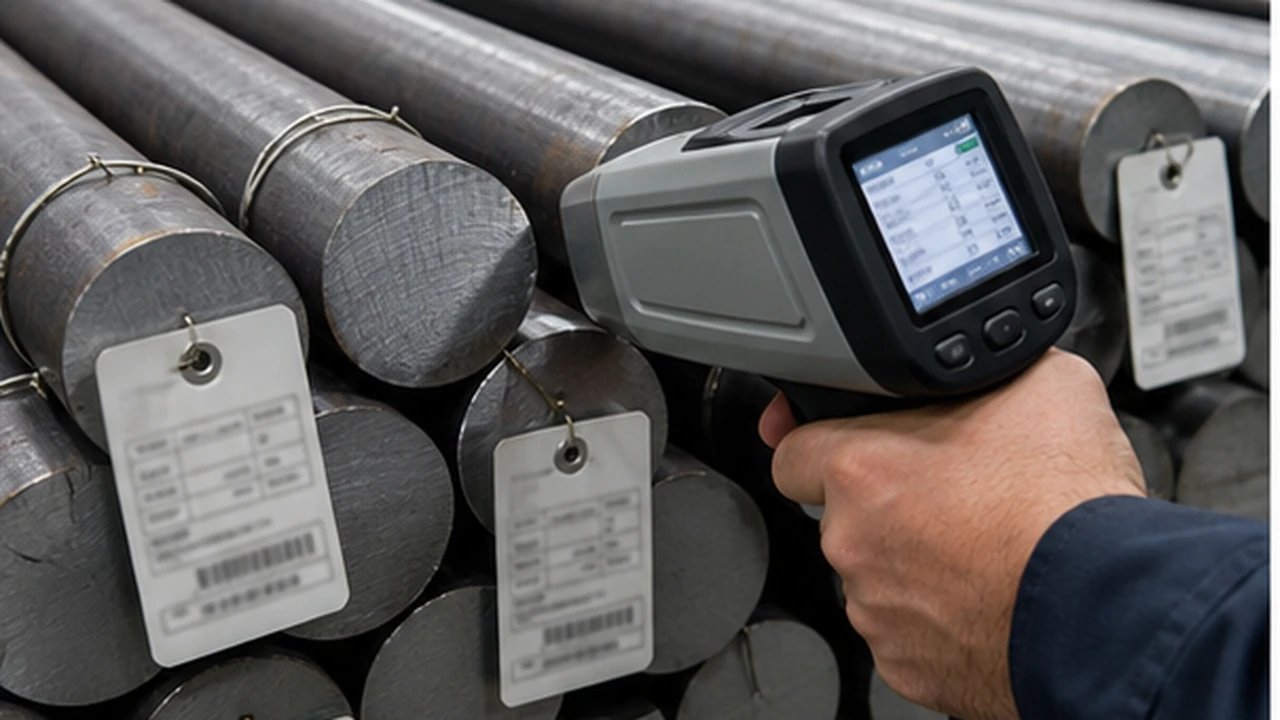
Tool geometry, cutting allowance and burr removal must be chosen with the working gauge in mind. For coated parts, agree whether the gauge requirement applies before or after finish. Specify the appropriate gauge type and acceptance method for the selected standard. A tapered pipe thread needs a defined gauge engagement assessment, whereas a parallel thread is evaluated differently. Keep the gauge identification and calibration status with the inspection record.
Control mating-part risk
Provide a mating component, certified gauge information or interface drawing for unusual combinations. Prototype assembly testing should confirm engagement, orientation and leakage before a production lot. Do not approve an apparent fit obtained by forcing two different standards together. Use the correct mating interface and an application-approved assembly method. Where a leak test is required, define its medium, acceptance limit and safe procedure separately from dimensional thread acceptance.
Frequently asked questions
Can BSP and NPT be screwed together?
Some sizes may begin to engage, but the forms and standards differ; do not treat partial engagement as proof of compatibility or sealing.
Do all pipe threads seal on the threads?
No. Parallel threads often depend on a separate sealing feature, and even tapered systems may require a specified sealant.
How should threads be inspected?
Use the gauge type, reference standard and acceptance condition specified by the drawing; visual checks or calipers are not a substitute.
What should I upload for a custom adapter?
Send both end callouts, the section geometry, sealing method, material, finish, pressure/application context and quantity.
Sources and further reading
Send KEC Tour the relevant drawing and interface requirements for review of the proposed manufacturing route.

Zaid Arshad
Manufacturing Content Author · KEC TourZaid Arshad writes practical manufacturing guides for engineers and sourcing teams evaluating custom fittings, CNC-turned parts, sheet-metal components, stampings and die-cast parts. His articles focus on clearer RFQs, supplier evidence, inspection planning and drawing-to-production decisions.
View author profileRelated engineering guides

Engineering Changes for Custom Metal Assemblies: Control the Cutover
Link revised drawings, purchased parts, work in progress and inspection so a design change reaches the correct production units.
Read article
Burr Direction on Stamped Parts: Put the Functional Edge on the Drawing
Specify the acceptable edge condition and orientation where stamped parts contact seals, wires, hands or mating surfaces.
Read article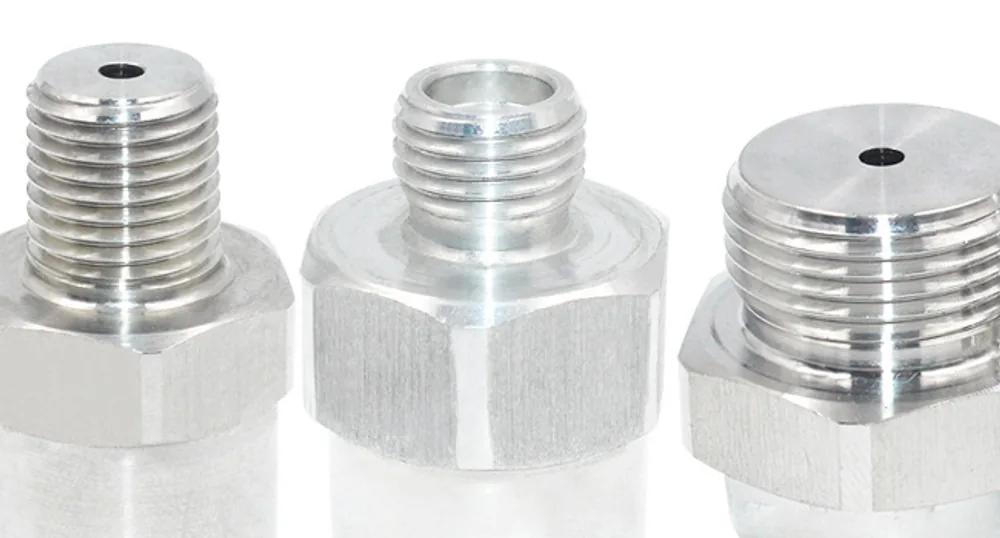
How to choose stainless steel grades for non-standard fittings
A practical guide for balancing corrosion resistance, machining stability, pressure use, surface finish, and cost.
Read articleTurn your requirements into a production-ready RFQ.
Share your CAD file, material, critical dimensions, finish and target volume. KEC Tour will review the process route before quoting.