
Pressure and Leak Tests for Custom Fittings: Write a Clear Specification
Separate pressure integrity from leakage acceptance, and define the test medium, conditions, method and records.
 Zaid ArshadManufacturing Content Author · KEC Tour
Identify the question the test must answer
A pressure integrity test and a leakage test can serve different purposes. One may examine structural resistance under a defined load, while another detects an unacceptable flow path under specified conditions. State the required outcome before asking the supplier to “pressure test” a fitting. The product’s design authority should choose the applicable standard and acceptance requirements for the service, including any regulatory obligations.
Specify the assembled test boundary
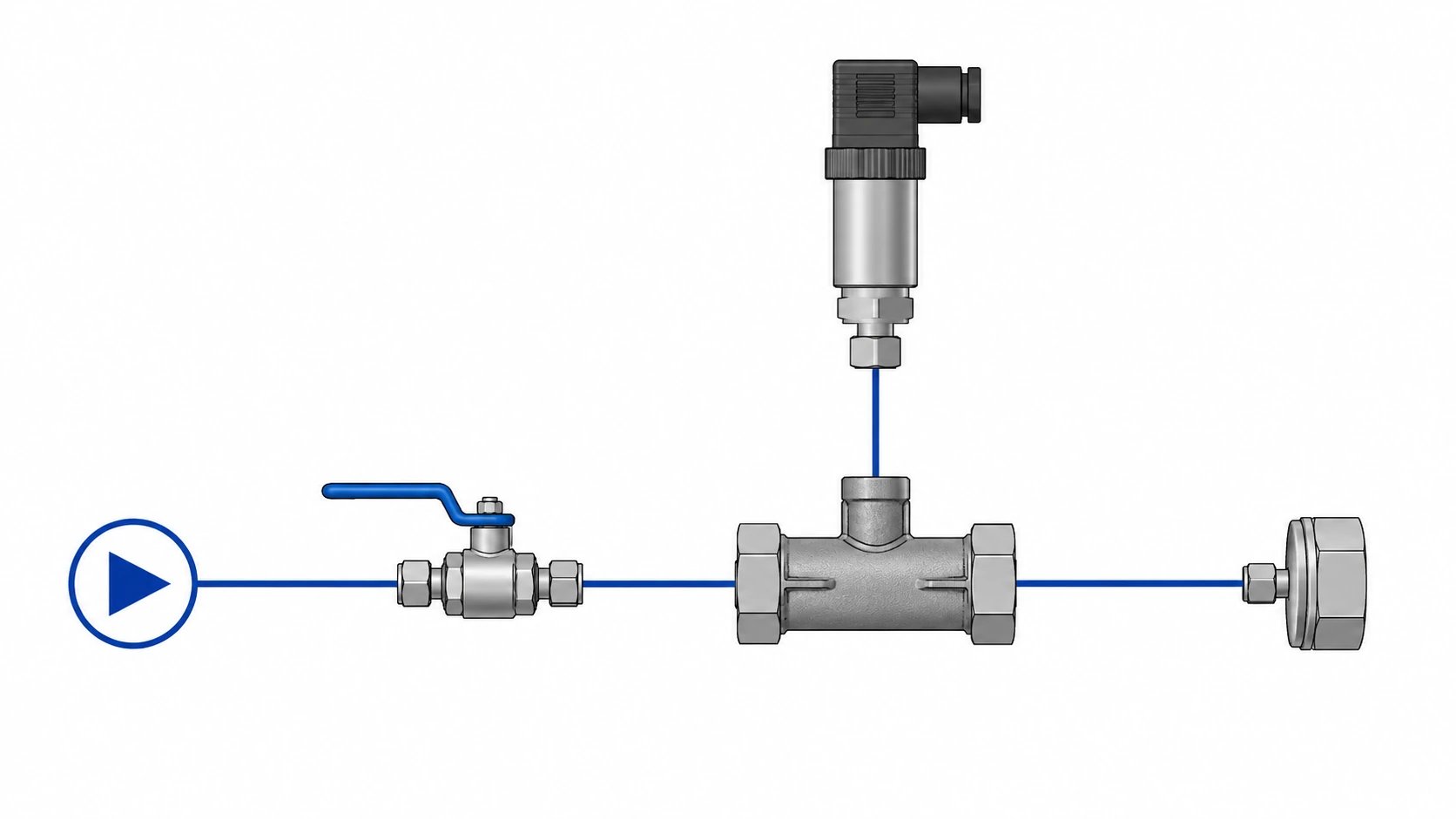
Identify which ports are connected, capped or open, and which seals and mating components form the test boundary. Fixture leakage can be mistaken for a part defect, while an overly forgiving fixture can hide a problem at the production interface. Use a drawing or controlled fixture reference to remove ambiguity. Record whether the part is tested before or after the final cleaning, coating or assembly operation.
Control the conditions that affect the reading
Document the medium, pressure, temperature, stabilization period, measurement interval and allowable result as required by the approved method. Pressure-decay readings can be influenced by temperature change and trapped volume, so a numerical threshold needs context. Do not transfer a threshold from a different fixture or volume without validation. Qualified personnel should establish the safe test arrangement and operating procedure for the stored energy involved.
Prove the measurement system works
Select equipment with suitable sensitivity and resolution for the acceptance criterion. Calibration establishes part of the evidence; routine verification with an appropriate reference or controlled check can show that the assembled test system is functioning. Define the reaction to a failed verification. A display showing zero is not meaningful evidence if the method cannot resolve the leakage level that matters to the product.
Make the release record useful
Tie results to part or lot identity, test procedure revision, equipment and the relevant conditions. Define the required coverage and how rejected parts are segregated and investigated. If rework is permitted, identify the authorized process and retest requirement. The report should distinguish an initial failure from a passing retest so trends are not hidden by recording only the final disposition.
Approval checklist and evidence
| Review item | Decision to make | Evidence to retain |
|---|---|---|
| Objective | Separate structural integrity from acceptable leakage. | Approved product requirement and applicable test reference. |
| Boundary | Identify seals, caps, ports and fixture connections. | Controlled setup drawing or fixture revision. |
| Sensitivity | Validate the method against the required detection level. | Equipment and assembled-system verification records. |
| Release | Record actual conditions and initial or repeat results. | Part identity, disposition and authorized retest history. |
Worked review example
Illustrative scenario: a small fitting and a large housing are tested with the same pressure-decay limit, although the enclosed volumes differ. The apparent pass/fail comparison is therefore incomplete. The engineering review validates a suitable method for each setup and records volume, stabilization and measurement conditions. No test pressure or acceptance rate in this article should be treated as a production instruction; those values belong in the approved product-specific procedure.
Information for the engineering review
- Integrity or leakage objective
- Boundary, seals and fixture revision
- Medium and controlled test conditions
- Sensitivity and system verification
- Traceable results and retest rules
Discuss this requirement with KEC Tour using the controlled drawing, the relevant mating interfaces and the review information above. Identify the decision that needs confirmation and the acceptance evidence expected with the first parts.
Sources and further reading
Frequently asked questions
Does bubble testing measure every small leak?
Its suitability depends on the specified method and required sensitivity. Validate the method against the acceptance criterion.
Can a supplier select a test pressure alone?
The product’s design authority must approve the applicable requirement and safe test procedure.

Zaid Arshad
Manufacturing Content Author · KEC TourZaid Arshad writes practical manufacturing guides for engineers and sourcing teams evaluating custom fittings, CNC-turned parts, sheet-metal components, stampings and die-cast parts. His articles focus on clearer RFQs, supplier evidence, inspection planning and drawing-to-production decisions.
View author profileRelated engineering guides

Engineering Changes for Custom Metal Assemblies: Control the Cutover
Link revised drawings, purchased parts, work in progress and inspection so a design change reaches the correct production units.
Read article
Burr Direction on Stamped Parts: Put the Functional Edge on the Drawing
Specify the acceptable edge condition and orientation where stamped parts contact seals, wires, hands or mating surfaces.
Read article
How to choose stainless steel grades for non-standard fittings
A practical guide for balancing corrosion resistance, machining stability, pressure use, surface finish, and cost.
Read articleTurn your requirements into a production-ready RFQ.
Share your CAD file, material, critical dimensions, finish and target volume. KEC Tour will review the process route before quoting.