
How to choose stainless steel grades for non-standard fittings
A practical guide for balancing corrosion resistance, machining stability, pressure use, surface finish, and cost.
 KEC Tour Engineering TeamCustom Hardware & Manufacturing Engineering · KEC Tour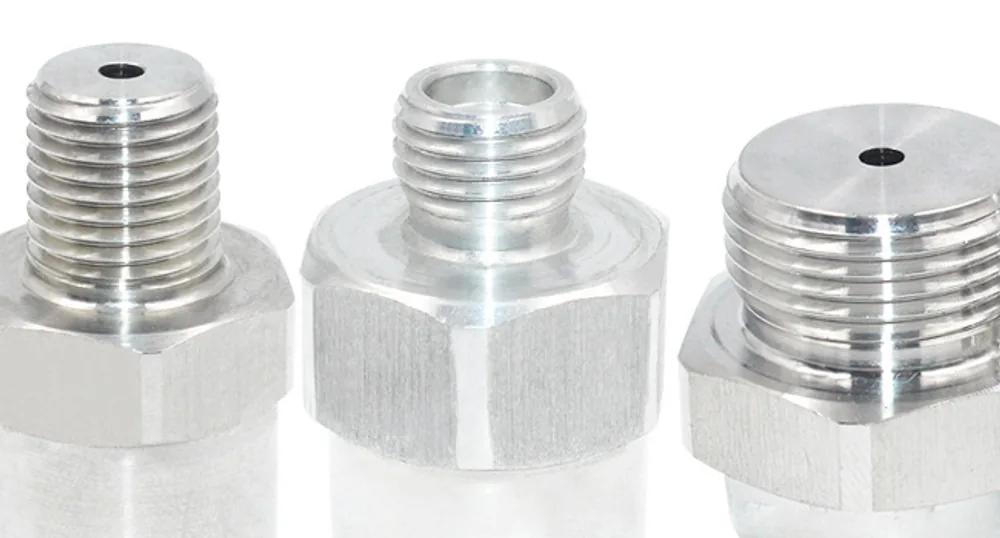
Material choice decides much more than price. For non-standard fittings, it affects machining stability, thread quality, sealing face durability, surface treatment, and long-term corrosion resistance.
304 stainless steel is a common starting point for many industrial fittings. 316 stainless steel is often reviewed when corrosion resistance, outdoor use, or chemical exposure matters.
For brass, aluminum, and carbon steel parts, confirm the operating medium, strength requirement, finish, and whether plating or passivation is needed before quoting.

KEC Tour Engineering Team
Custom Hardware & Manufacturing Engineering · KEC TourThe KEC Tour engineering team shares practical guidance on drawings, materials, machining routes, threads, finishing, inspection, and production-ready RFQs for non-standard metal parts.
View author profileRelated engineering guides
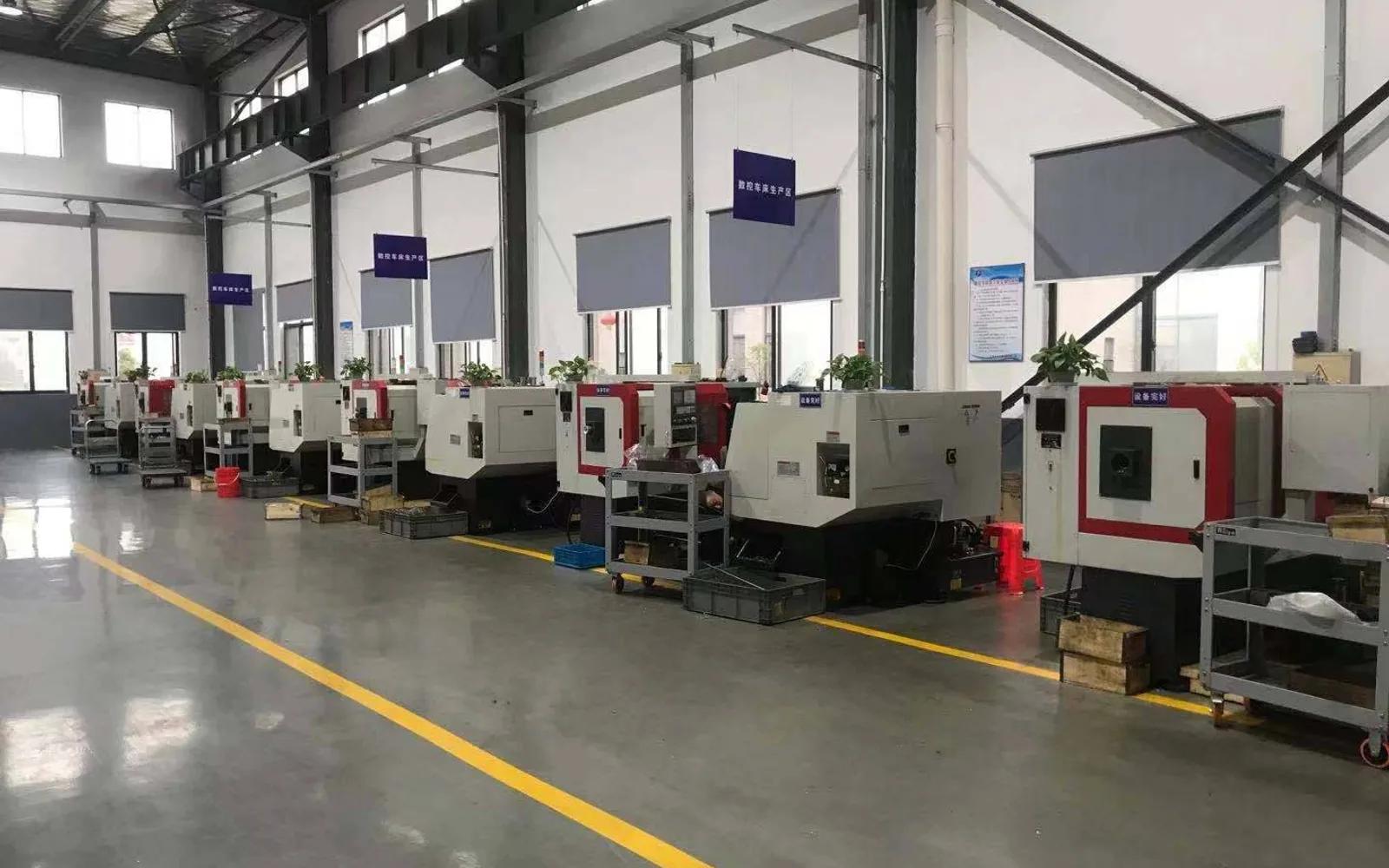
Turning, milling, sheet metal, or die casting: which route fits your hardware?
Procurement and engineering teams can reduce quote cycles by matching geometry to the right process early.
Read article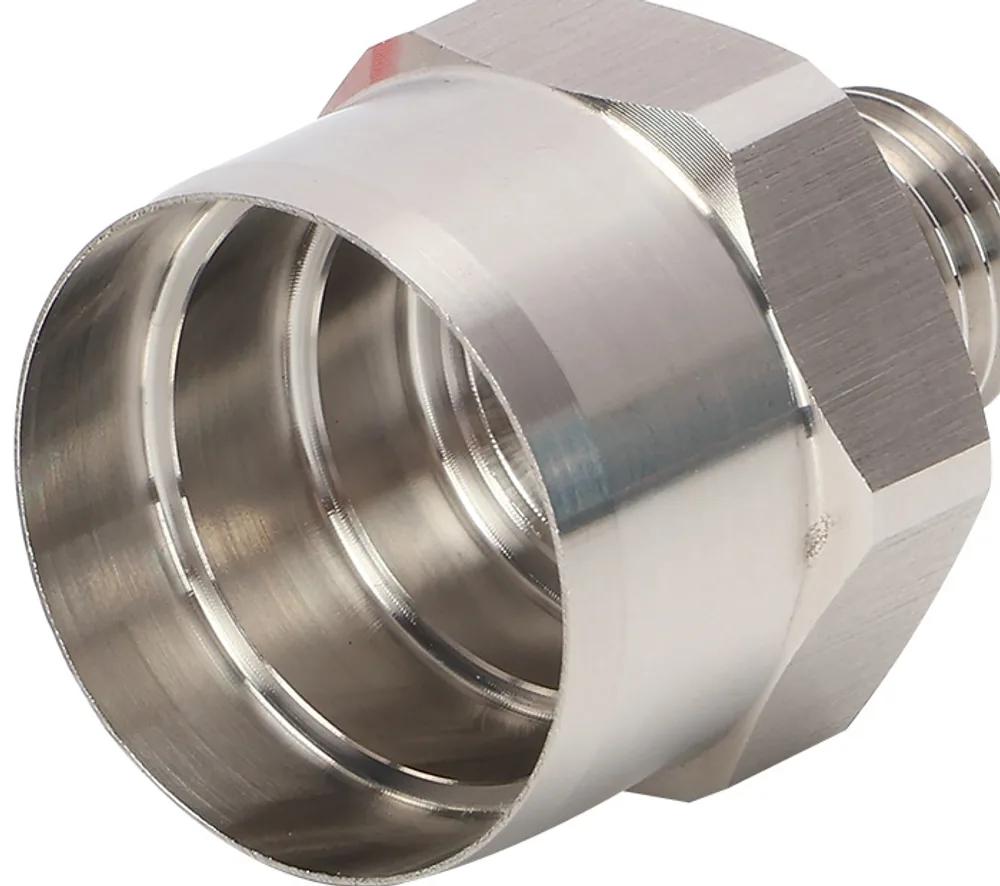
What to confirm before repeating a non-standard hardware order
A concise checklist for threads, sealing faces, burrs, finish, critical dimensions, packing, and repeat-order traceability.
Read articleTurn your requirements into a production-ready RFQ.
Share your CAD file, material, critical dimensions, finish and target volume. KEC Tour will review the process route before quoting.