
Turning, milling, sheet metal, or die casting: which route fits your hardware?
Procurement and engineering teams can reduce quote cycles by matching geometry to the right process early.
 KEC Tour Engineering TeamCustom Hardware & Manufacturing Engineering · KEC Tour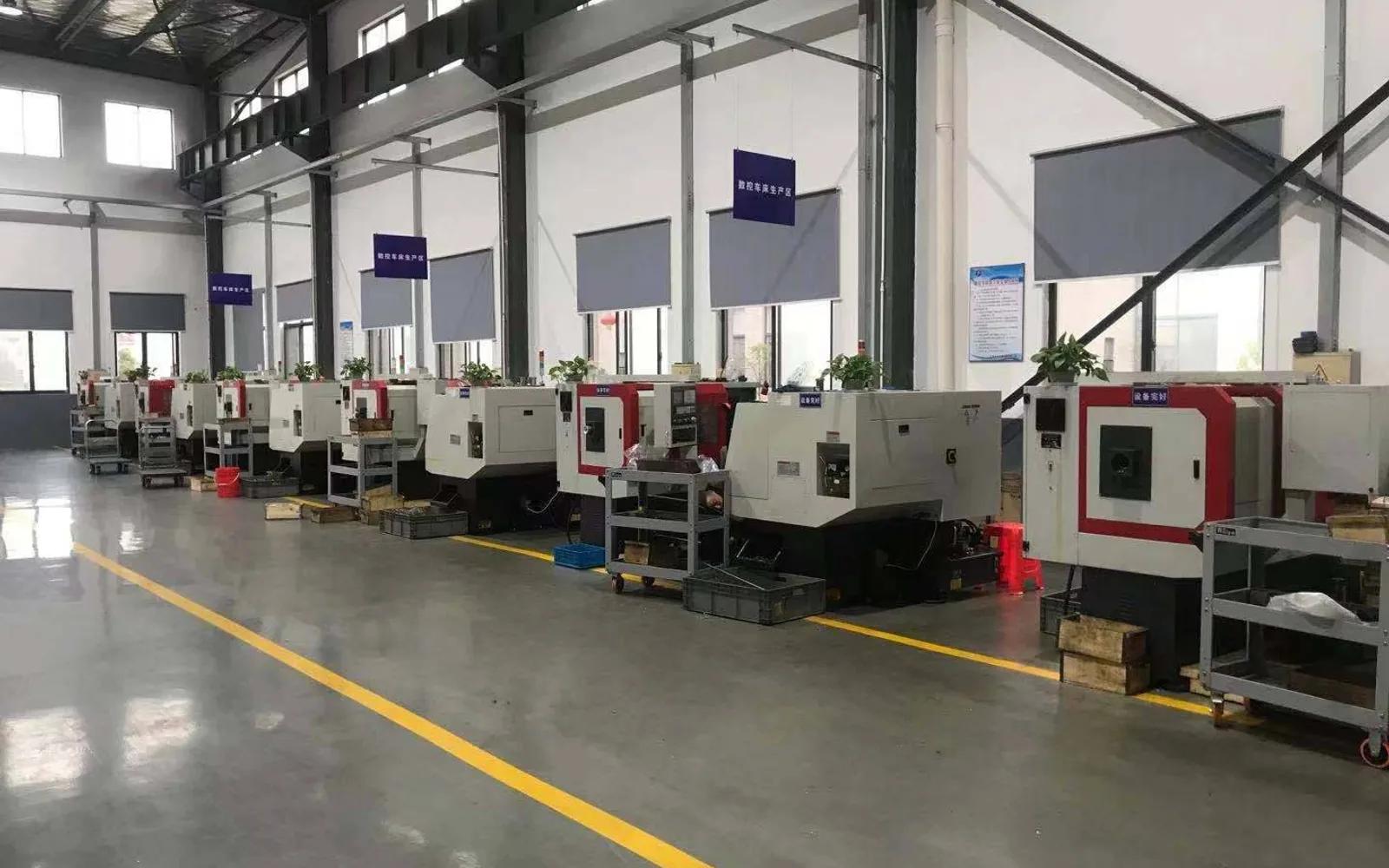
Turning is often efficient for round fittings, sleeves, bushings, ferrules, and threaded adapters. Milling is used when flats, cross holes, slots, pockets, or mounting faces are required.
Sheet metal becomes more efficient when the part can be formed from flat stock through cutting, bending, tapping, welding, or stamping. Die casting can fit repeated aluminum or zinc alloy hardware with post-machining.
The fastest route is not always a single process. Many hardware projects combine turned inserts, milled flats, sheet metal brackets, finishing, and packing requirements.

KEC Tour Engineering Team
Custom Hardware & Manufacturing Engineering · KEC TourThe KEC Tour engineering team shares practical guidance on drawings, materials, machining routes, threads, finishing, inspection, and production-ready RFQs for non-standard metal parts.
View author profileRelated engineering guides
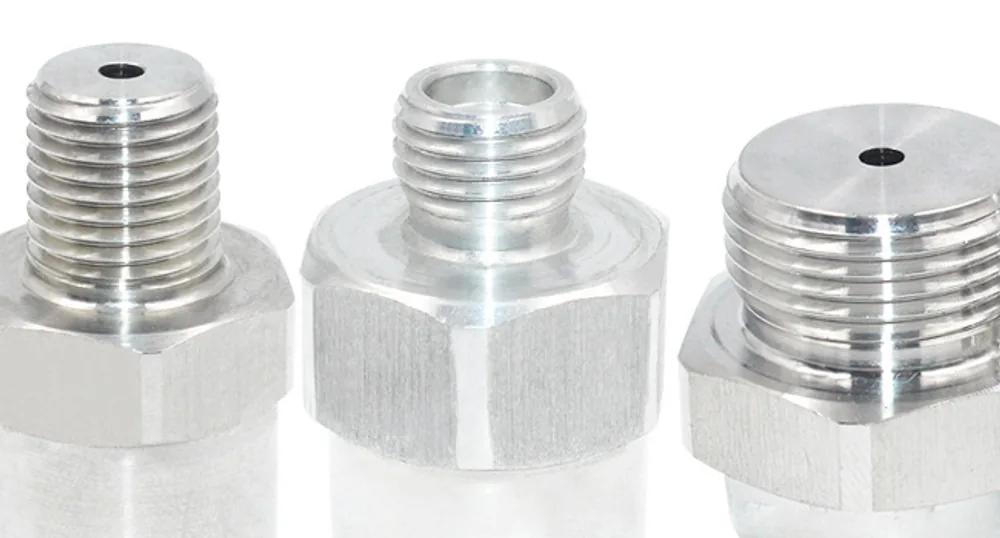
How to choose stainless steel grades for non-standard fittings
A practical guide for balancing corrosion resistance, machining stability, pressure use, surface finish, and cost.
Read article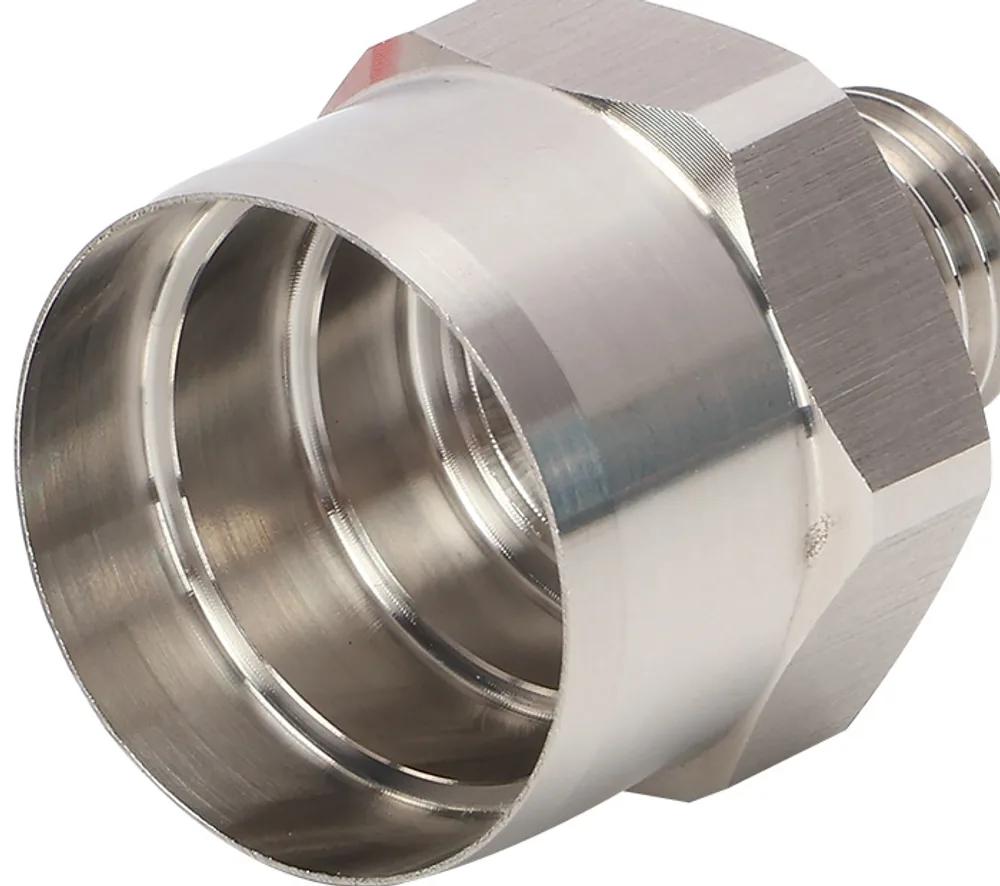
What to confirm before repeating a non-standard hardware order
A concise checklist for threads, sealing faces, burrs, finish, critical dimensions, packing, and repeat-order traceability.
Read articleTurn your requirements into a production-ready RFQ.
Share your CAD file, material, critical dimensions, finish and target volume. KEC Tour will review the process route before quoting.